
(210) 569-2671

Experience Overview
The Sanctuary
Explore the architectural sanctuaries—from rent parties to speakeasies—where queer artists openly expressed their identities, built community, and redefined American culture.
The Unseen Layer
Use your device to project historical imagery and artwork directly onto physical spaces, bridging the past and present to restore a vital community narrative.
The Living Archives
Engage with interactive 3D assets, handwritten manuscripts, and spatial audio that preserve the authentic voices and creative expressions of a profound artistic movement.
Shared Heritage
By anchoring these hidden histories digitally, we ensure that the profound contributions of queer creators remain an accessible and permanent part of our collective memory.
Requirements and Instructions
What You Need
-
Platform: Exclusive to iOS devices (iPhone and iPad). Ensure your operating system is up to date.
-
Permissions: Camera access is required to project the AR elements into your environment.
-
Accessibility: Built for dual deployment. Experience the digital reclamation directly on the streets of Harlem, or explore the archives remotely from your own space.
How to Use the AR Overlay
If On-Site in Harlem:
-
Navigate to the designated historical coordinates.
-
Open the app and allow your camera to scan the physical architecture.
-
Watch as the modern streetscape is overwritten, revealing the original facades, forgotten safe havens, and the artists who defined them.
If Experiencing from Home:
-
Clear a flat, well-lit surface, like a table or the floor.
-
Launch the app and select remote mode.
-
Place the interactive 3D dioramas directly into your room to explore the architecture, read the manuscripts, and hear the poetry of the Renaissance.
Featured Spaces

Hotel Olga
As the premier luxury accommodation for Black elites, this hotel served as a discreet but vibrant haven for the queer architects of the Renaissance. Within its walls, trailblazing LGBTQ+ artists and intellectuals found a safe space to build community and spark creative collaborations free from mainstream policing.

The Lafayette Theater
Beyond its reputation as a desegregated theatrical powerhouse, the "House Beautiful" provided a vital stage for boundary-bending drag performances and avant-garde artistry. It served as a cultural sanctuary where queer creators and patrons could freely express their identities and shape Harlem's flourishing nightlife.
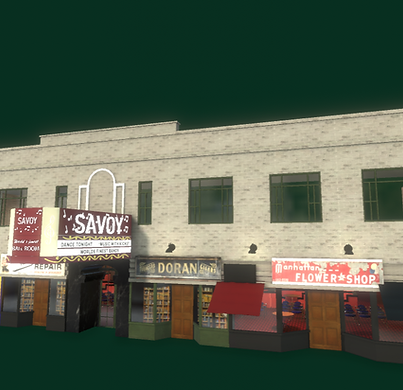
The Savoy Ballroom
Spanning an entire city block, this legendary dance hall was a pulsing center of nightlife where rigid social and gender boundaries dissolved on the floor. It provided an electrifying, integrated space where same-sex couples and gender-nonconforming patrons could openly celebrate their identities through the kinetic art of swing.